
BREAKING DOWN CARPENTER V. UNITED STATES AND HOW IT MAY APPLY TO ALPR’S
By: Sachet A. Sullivan
The rise of Automated License Plate Readers (ALPRs) has been met with both praise and concern, as cities across the U.S. roll out the technology to assist law enforcement.
The Cedar City Police Department (CCPD) is the latest to embrace this tool, announcing its partnership with Flock Safety, a company offering an ALPR system aimed at enhancing public safety.
While touted as a “cutting-edge crime-solving tool,” the system has sparked a significant public debate about privacy, surveillance, and the balance between safety and civil liberties.
The Role of ALPRs in Modern Policing
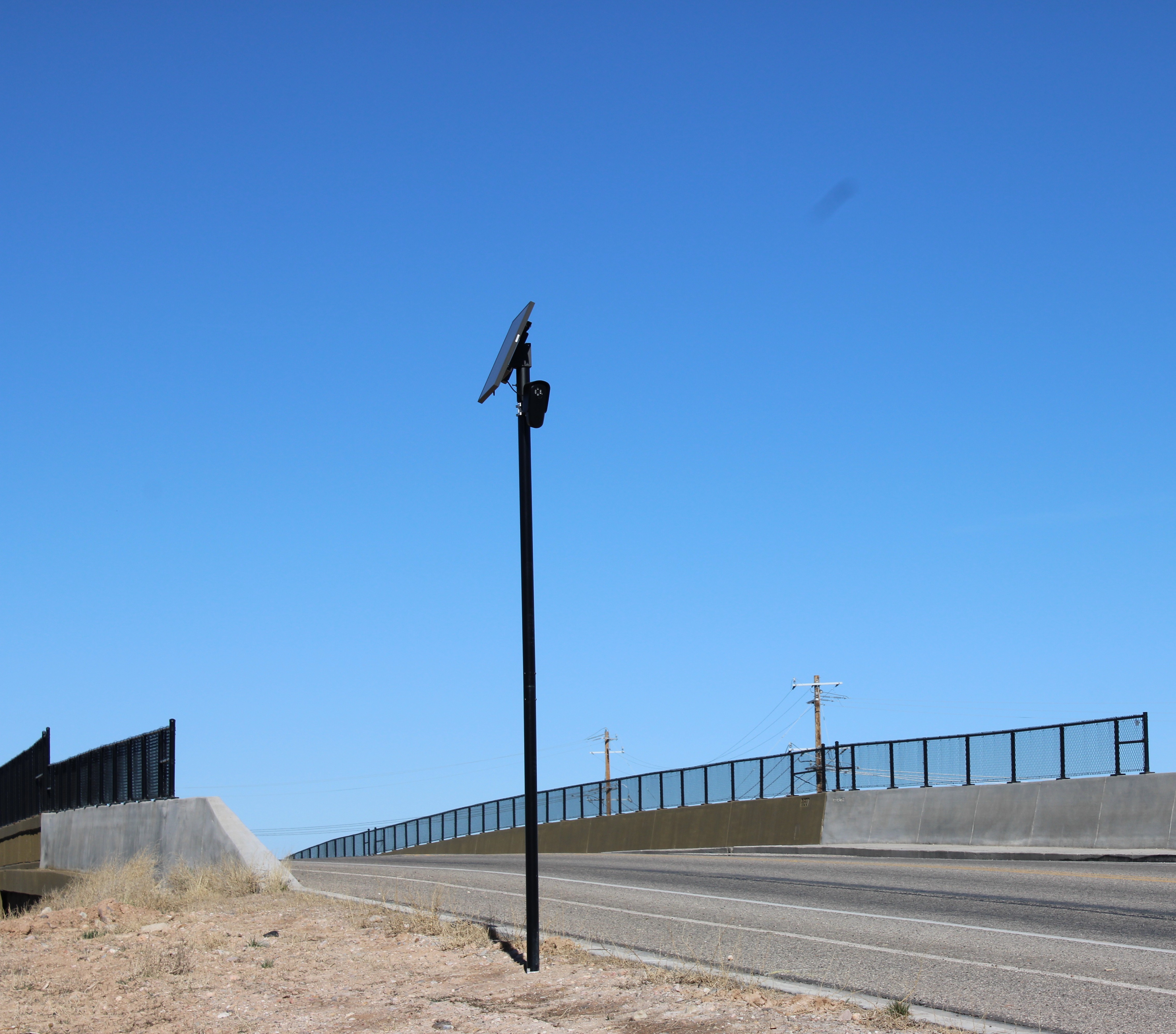
Flock Safety’s new ALPR system, which started being deployed along major thoroughfares in Cedar City at the beginning of this month, is designed to scan license plates automatically, compare them with national databases, and alert officers to vehicles linked to criminal activity.
This passive surveillance operates 24/7, capturing the rear license plates of vehicles, and, according to the department, does not photograph drivers.
While it may seem benign, this technology raises important questions about the scope of its use and the data it collects.
The Cedar City initiative mirrors a growing trend where ALPRs are being used to combat crime.
The system will provide law enforcement with a new tool for solving crimes faster and more efficiently by cross-referencing captured license plates with databases like the NCIC, which includes information about stolen vehicles, active warrants, and Amber Alerts.
The technology has already proven its value in other regions, such as in cases where ALPRs helped capture perpetrators of serious crimes.
Earlier this week, the new system proved effective when Cedar City authorities captured a fugitive responsible for multiple burglaries around town. The ALPR technology helped law enforcement track his vehicle and make the arrest.
In a recent interview with TZT, Cedar City Police Chief Darin Adams, noted “this was a huge win!”
However, this success is tempered by growing concerns about privacy, the potential for abuse, and the broader implications for civil liberties.
A Community Divided: Privacy Concerns and Public Support
Public reaction to the Cedar City announcement has been mixed. Many residents voiced concerns that the system could be a step toward a surveillance state, comparing the cameras to the dystopian vision of Orwell’s 1984 and invoking Benjamin Franklin’s famous warning about sacrificing liberty for security.
Fears about precrime and predictive policing have also fueled anxieties, with some citizens wondering whether the system could be used to target political dissidents, protestors, or those who resist government mandates.
On the other hand, some residents expressed support, noting how ALPRs helped catch criminals in other areas. For example, one woman shared that ALPRs had helped catch the murderer of her sister.
These divergent reactions highlight the tension between the benefits of ALPR technology in solving crime and the concerns over its potential misuse.
The Legal Landscape: Warrant Requirements and the Carpenter Precedent
The ongoing debate over ALPRs is not isolated to Cedar City; it reflects a broader conversation about the legal implications of surveillance technologies.
The Carpenter v. United States decision by the U.S. Supreme Court in 2018 established that law enforcement must obtain a warrant to access historical cell phone location data, a ruling that has been applied to questions about ALPRs.
In that case, the Court ruled that long-term surveillance of an individual’s movements via CSLI (Cell-Site Location Information) constitutes an invasion of privacy, given the depth and detail it can reveal about a person’s life.
The Court’s reasoning in Carpenter is highly relevant when considering the privacy implications of ALPRs, which can track an individual’s movements over time as they travel across town or even across state lines.
ALPR systems, which automatically collect vehicle location data, could similarly create a “mosaic” of a person’s activities, raising concerns about excessive government surveillance without oversight.
The expansion of these technologies in public spaces means that individuals might be tracked continuously, without their knowledge or consent, similar to the way Carpenter addressed CSLI.
The Third-Party Doctrine: Implications for ALPR Data
In Carpenter, the Court rejected the application of the third-party doctrine, which asserts that individuals forfeit their expectation of privacy in information shared with third parties, such as phone companies.
In this case, the Court ruled that CSLI data should be protected because it is collected automatically, often without the person’s active participation.
Similarly, ALPR data is collected passively as vehicles pass through public roads, meaning drivers are not actively consenting to be surveilled.
This challenges the traditional interpretation of the third-party doctrine and raises questions about the constitutional protections afforded to individuals in public spaces.
ALPR systems, particularly those used in partnership with private companies like Flock Safety, could potentially complicate the issue further.
While police departments may own the cameras, the data generated by them is often shared with third-party vendors, creating concerns about who has access to the information and how it may be used.
The widespread sharing of ALPR data between agencies and private companies could expand surveillance beyond local jurisdictions, creating a national database of vehicle movements that could be accessed by law enforcement agencies across the country.
Cedar City’s ALPR System: Transparency and Public Trust
As the CCPD rolls out its ALPR system, the department has clarified that the system is intended to capture only license plate data, not images of drivers.
In a November 2024 City Council meeting, Chief Adams reassured the community that the ALPR system will serve as a “force multiplier,” helping officers enhance their investigative capabilities.
However, many residents remain uneasy, particularly about the long-term application of the camara’s in the future.
Despite the department emphasizing safeguards, including a 90-day opt-out period for the city to reassess the system after its initial implementation, concerns over data retention and privacy persist.
During the Nov. 6th, City Council meeting, Chief Adams stated that Flock Safety retains the data for 30 days. However, it remains unclear whether the data is stored elsewhere after the 30 days or may be sold to third parties during that period.
Looking Ahead: A Balancing Act Between Security and Privacy
The debate over ALPRs is part of a larger conversation about the role of surveillance technologies in public life.
As tools like Flock Safety become more prevalent, communities are carefully weighing the benefits of enhanced security against the potential risks to privacy.
The Carpenter decision offers a useful framework for evaluating the privacy implications of these technologies, but the rapidly evolving nature of surveillance means that legal precedents may struggle to keep pace.
Ultimately, courts, lawmakers, and local communities will need to work together to determine how to strike a balance between leveraging technology to solve crimes and protecting individual freedoms in an increasingly surveilled world. The challenge is finding that balance—one that ensures safety without sacrificing the privacy rights many consider fundamental to a free society.

Leave a Reply